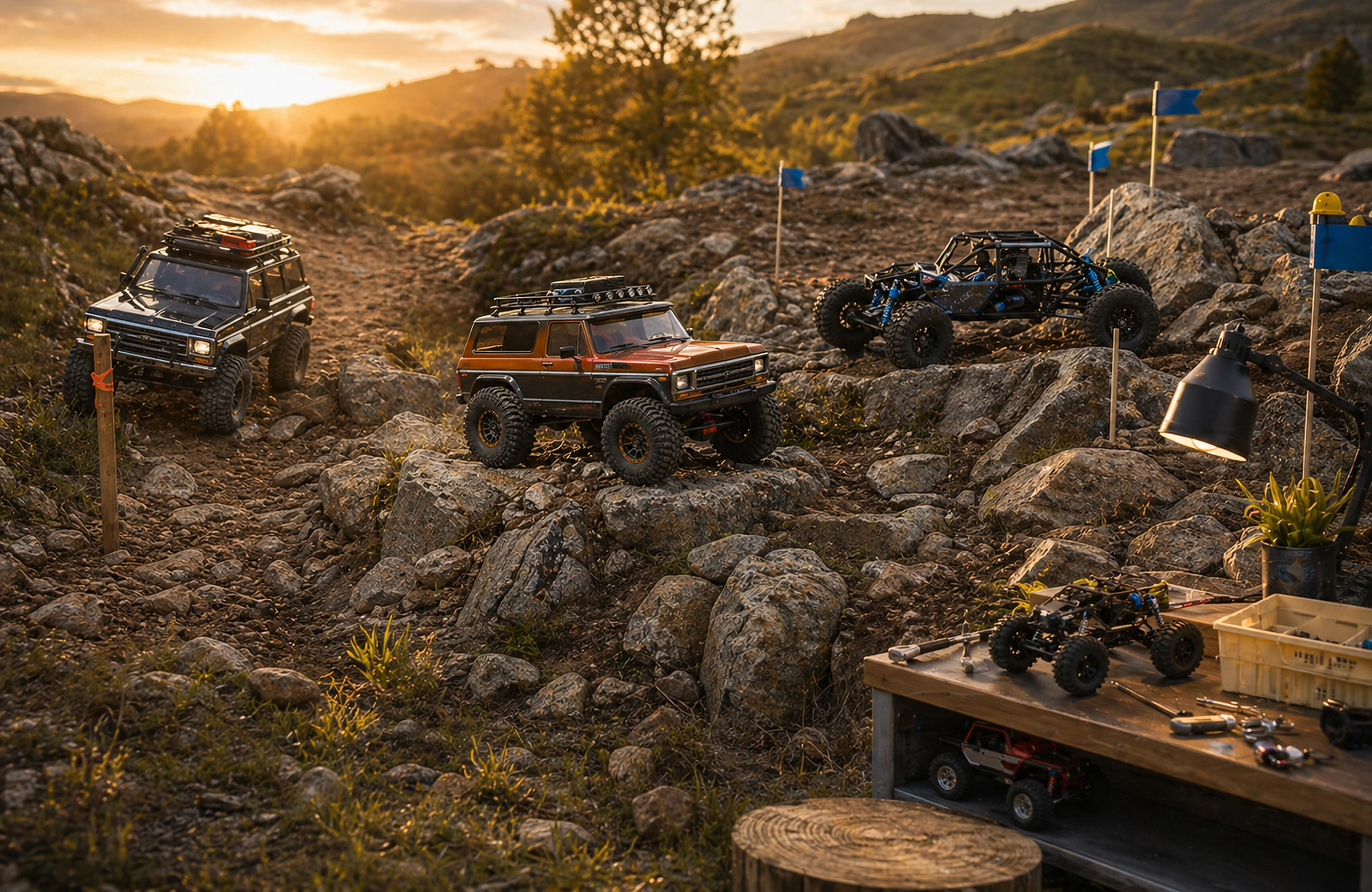
Use the goal as the first filter
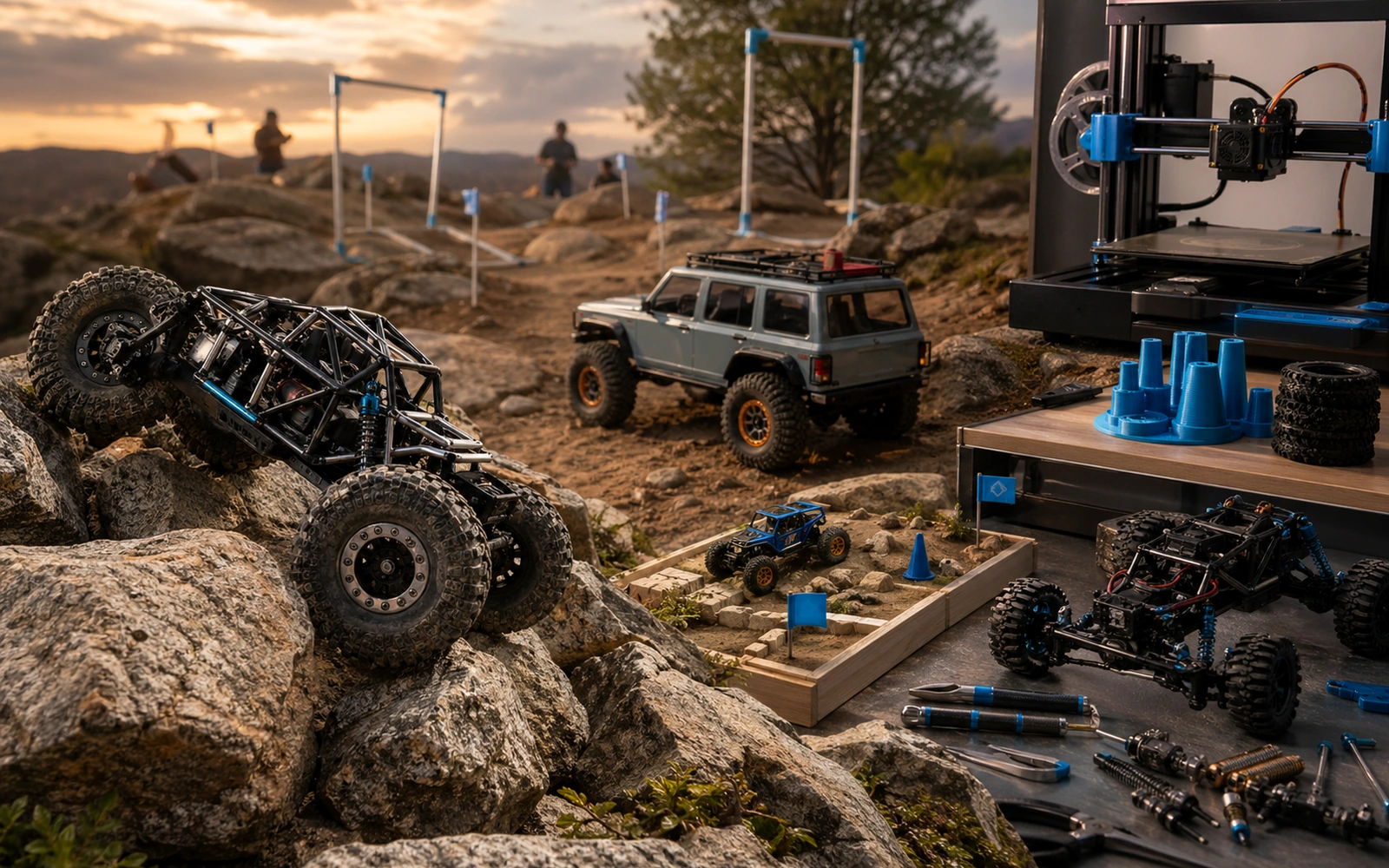
Before comparing offers, decide whether the crawler needs to finish long trail walks, look scale, pass event rules, fit a small-space platform, or support workshop projects. The same part category can make sense for one goal and create extra fitment work for another.
Trail reliability goal
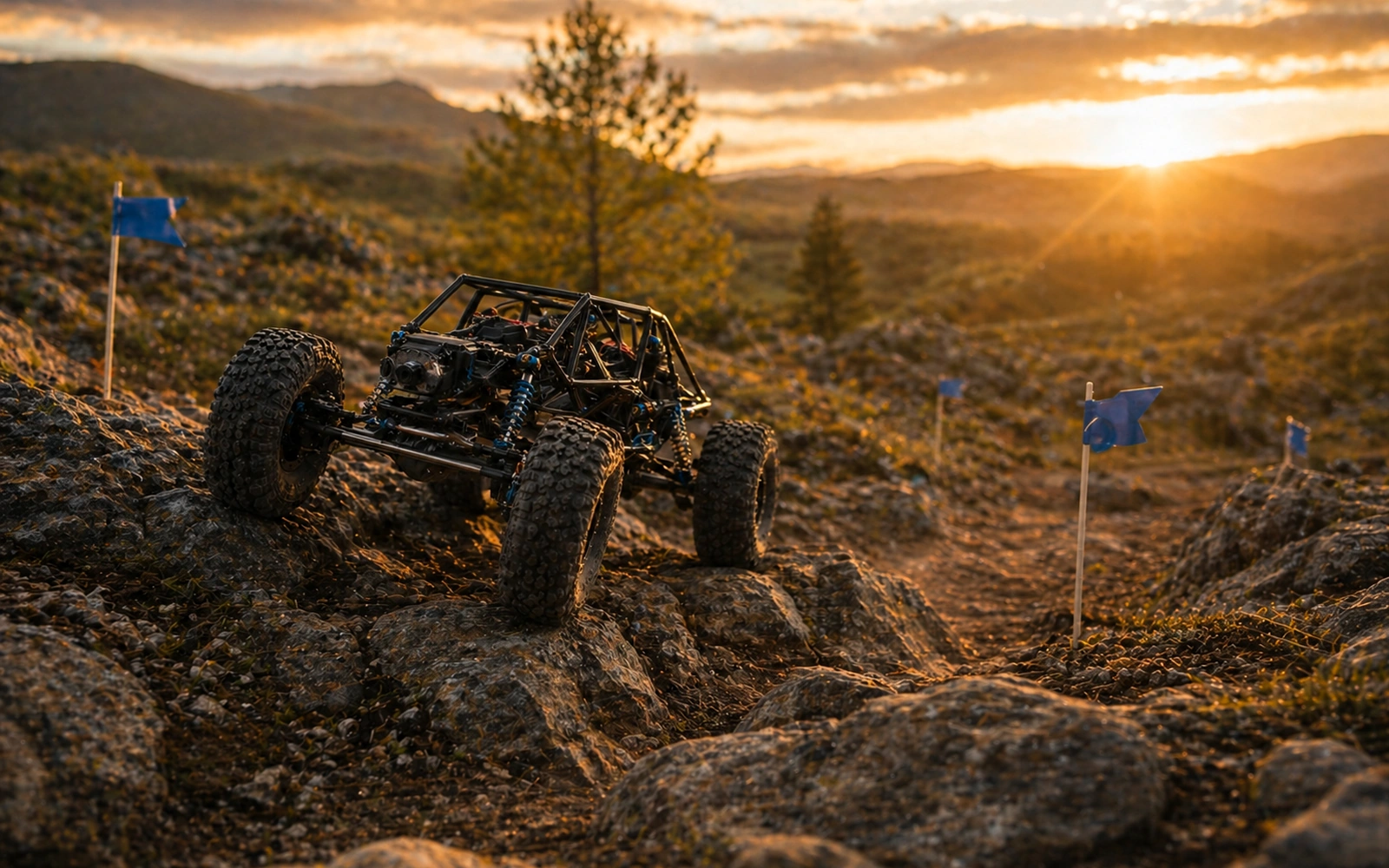
If the goal is trail driving, research tires, foams, battery runtime, steering load, motor heat, waterproofing claims, and common trail spares. Compare offers by platform fitment, seller/source notes, stock state, and whether the part helps the full route rather than one dramatic climb.
Scale build goal
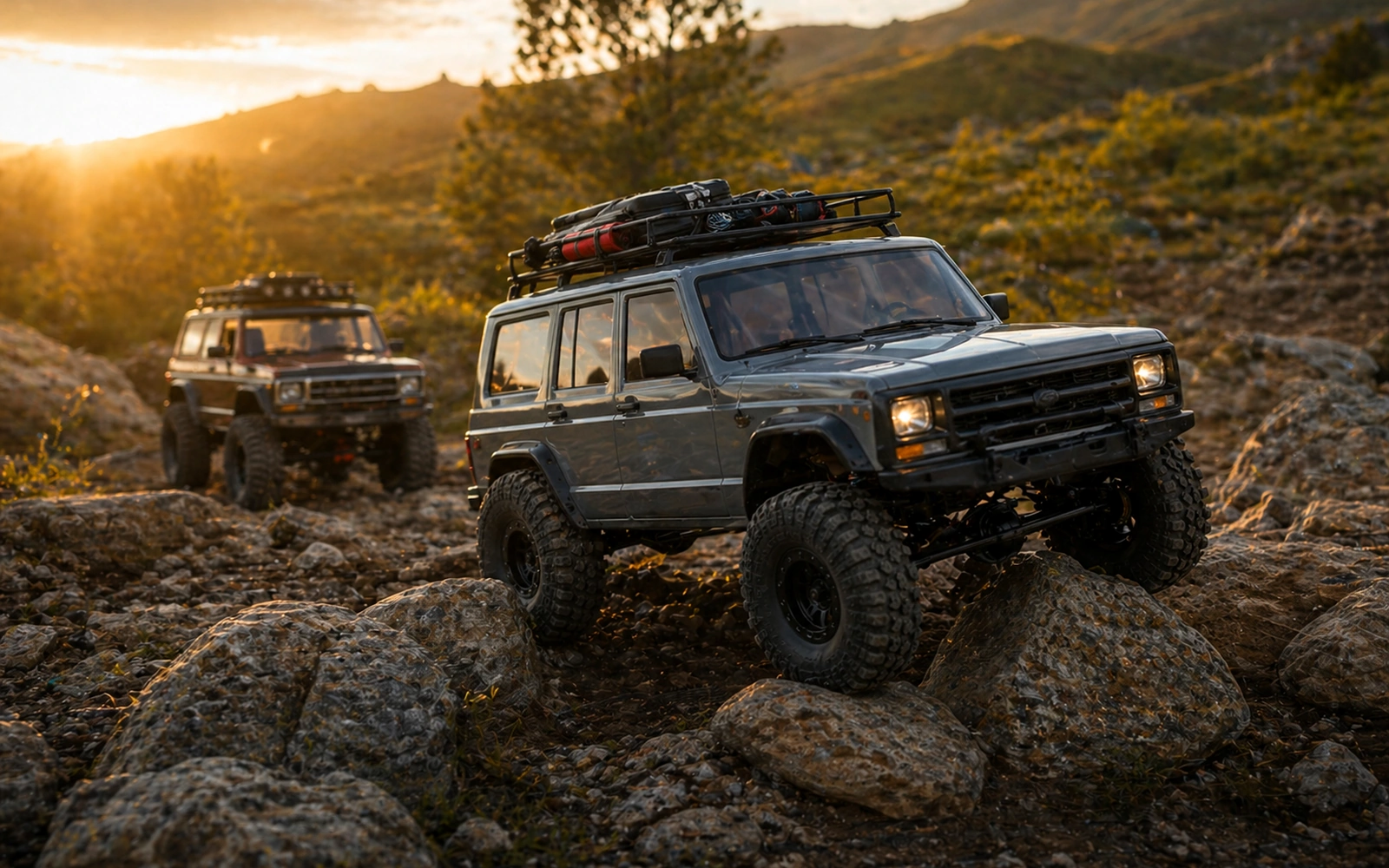
If the goal is a believable scale truck, research body wheelbase, tire outside diameter, wheel offset, bumper fit, accessory weight, interior clearance, and printed-part source notes. A good-looking part still needs hardware, material, and clearance evidence.
Event or class goal
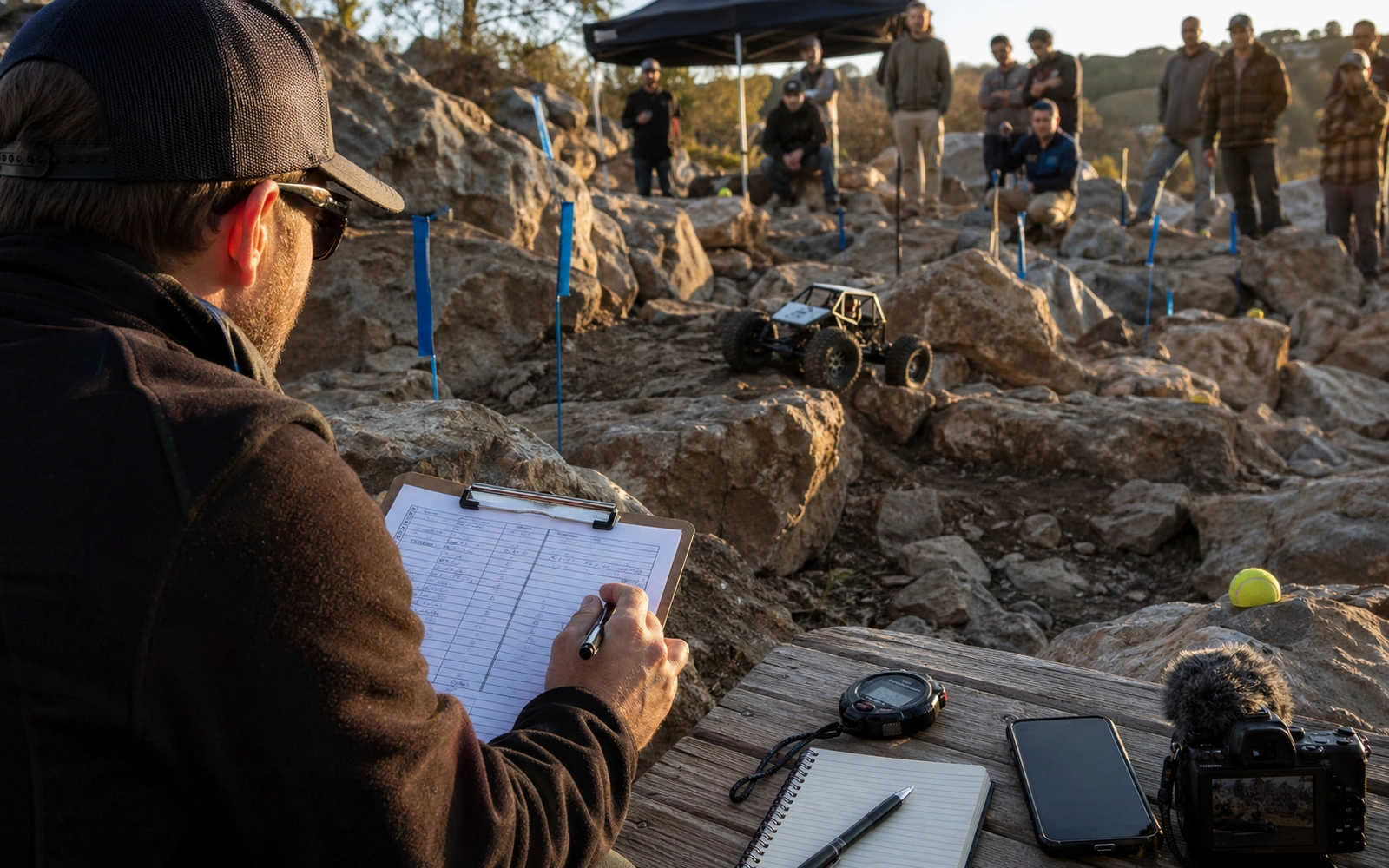
If the goal is an event, start with the current organizer source and class language before parts. Tire size, wheelbase, body trim, portal axles, dig, four-wheel steer, weight, and hardbody rules can change the build path. Crawlers Bot can support research, but event legality belongs with the current event source.
Micro and workshop goal
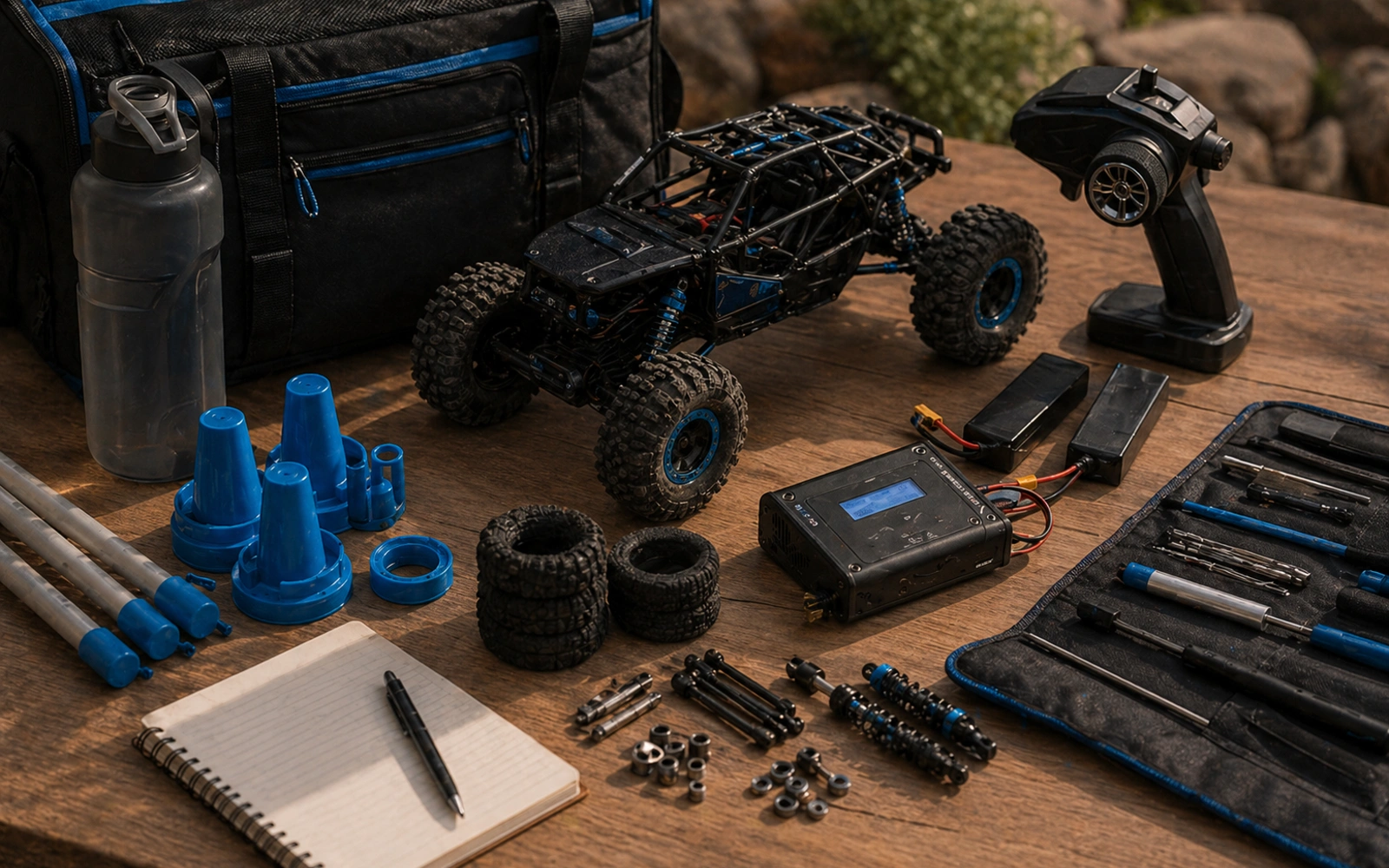
If the goal is micro crawling or workshop building, measure more and assume less. Servo format, tire outside diameter, body clearance, hardware size, STL source, material, and file license can matter as much as the product title.
Goal-to-marketplace checklist
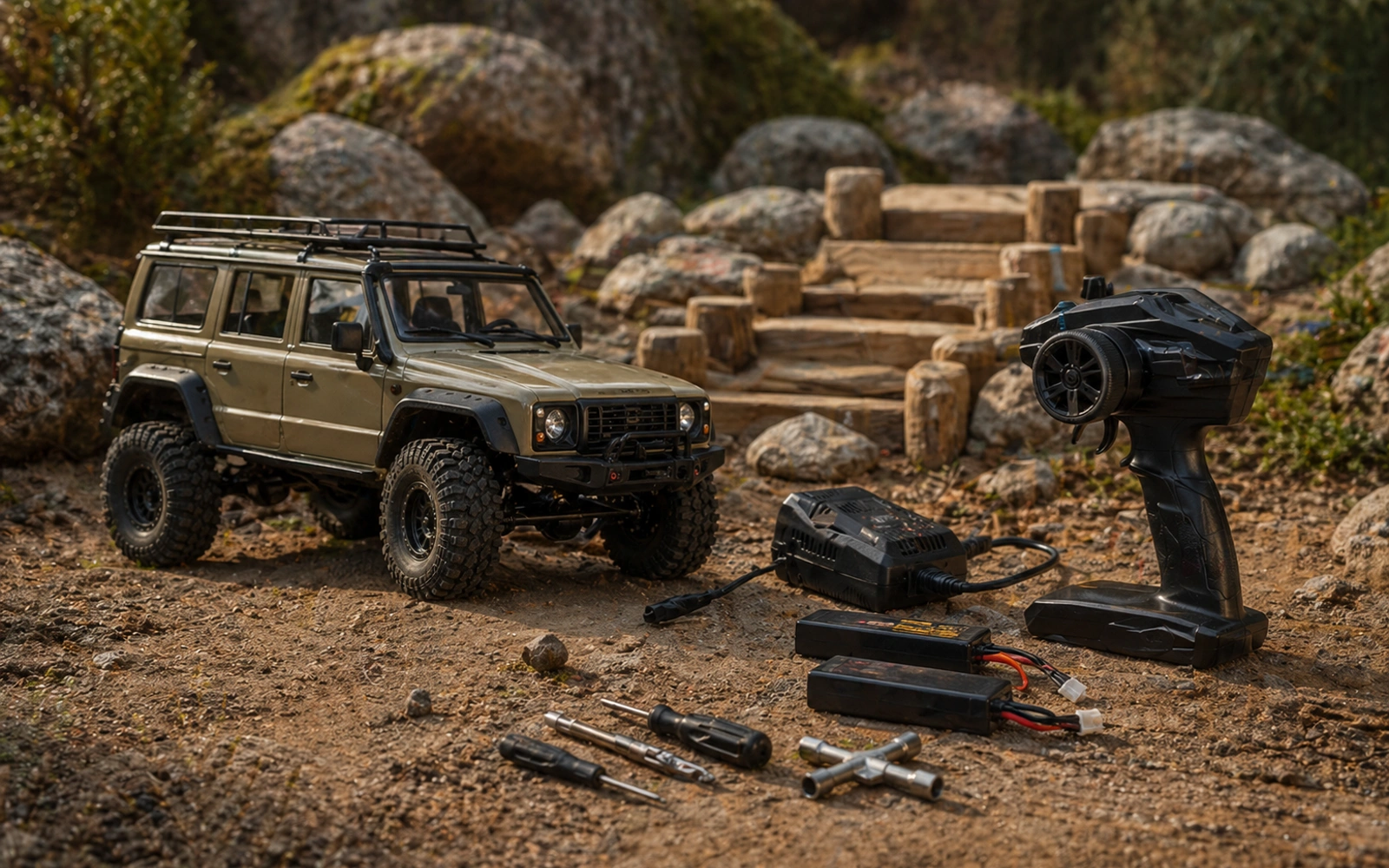
Use the goal to decide which details deserve attention before comparing offers. A trail goal needs reliability evidence. A scale goal needs body and stance checks. An event goal needs rules. A workshop goal needs source, license, material, and hardware notes.
The driving job, local terrain, scale target, event source, or workshop outcome.
Platform, version, body, wheelbase, tire size, electronics, and existing constraints.
Category path, seller count, stock labels, price spread, SKU or MPN, and source-page notes.
Physical parts, printed parts, STL downloads, hardware kits, and source links.
Research next

Use these paths after the goal is clear. They help move from intent into platform, category, seller/source, stock, and price research.