
Start with the trail failure modes
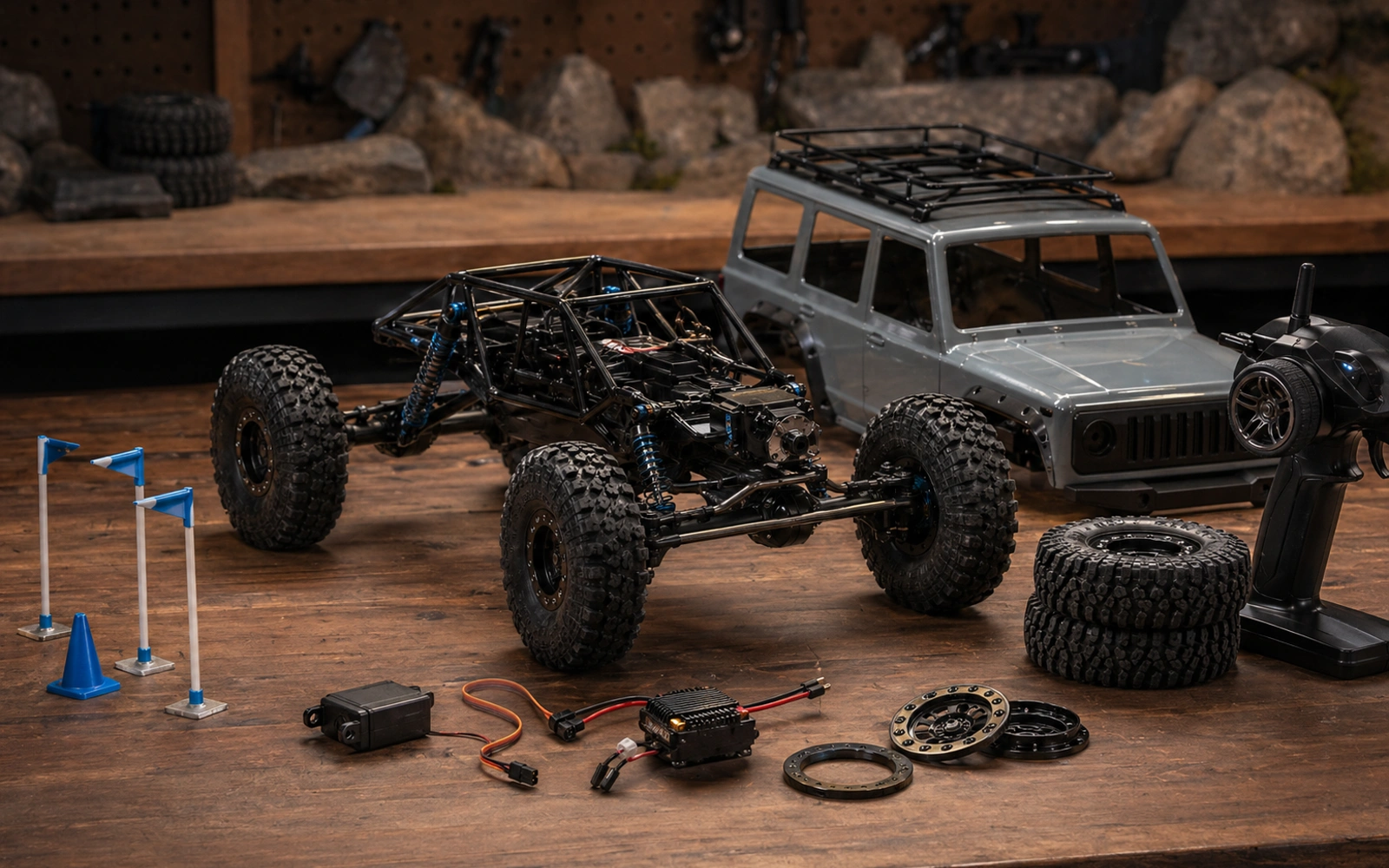
A trail build needs to finish the route. Before buying parts, list what the local terrain does to the rig: tire slip, foam collapse, steering stall, brownouts, hot electronics, loose hardware, body rub, broken links, or battery limits. Those failures point to the category path.
Outside diameter, compound, insert support, wheel width, terrain, and rig weight.
Servo voltage, BEC need, ESC rating, connector load, receiver demand, and wire routing.
Screw size, bearing size, platform version, driveshaft pins, link hardware, and source notes.
Terrain to tire and foam research
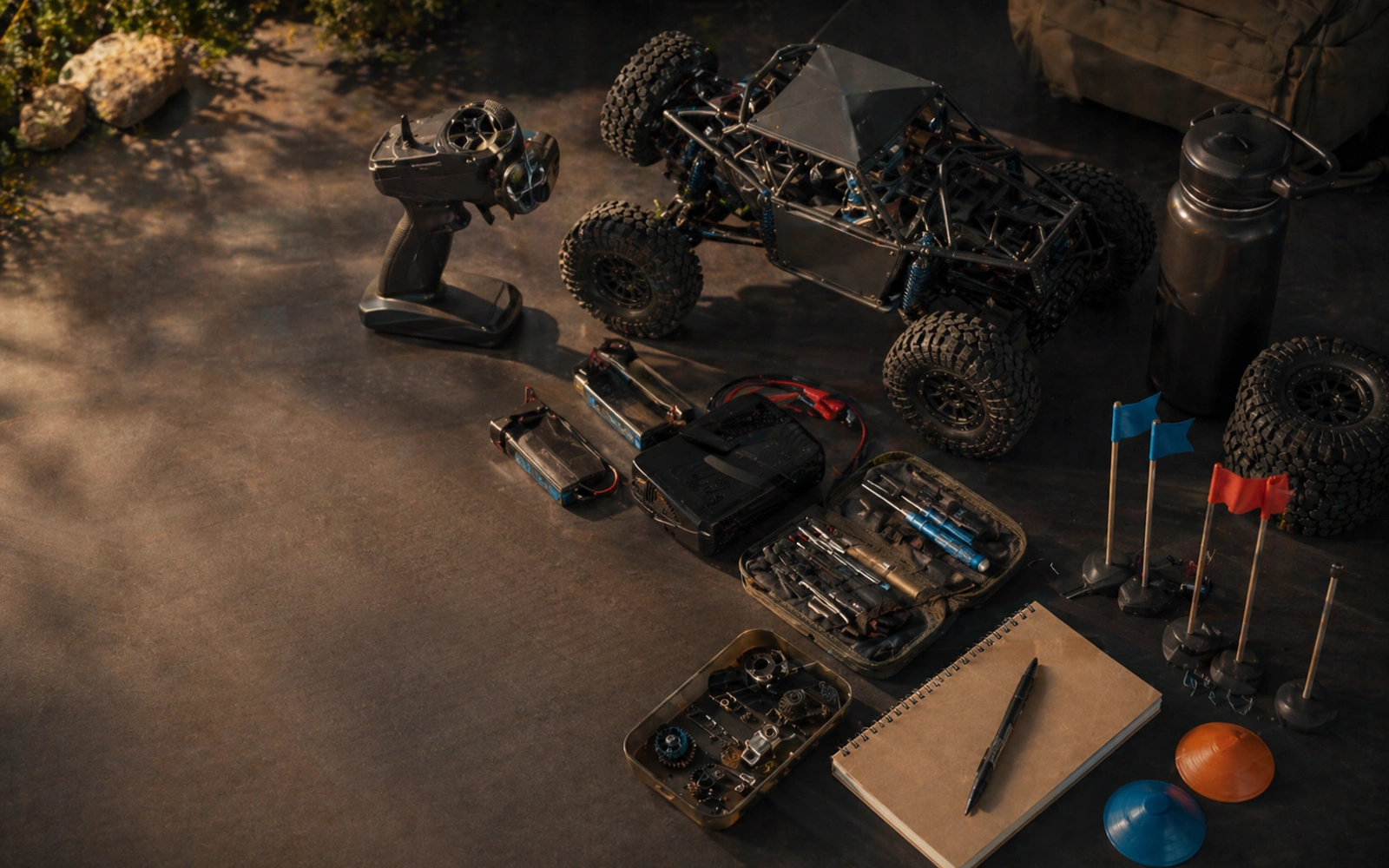
Trail terrain should drive tire research. Compare outside diameter, compound, insert support, wheel width, rig weight, and whether the surface is dusty rock, wet roots, loose dirt, or mixed trail. A tire listing still needs platform and body-clearance checks.
Power and steering reliability

Long walks expose weak steering, hot motors, tired batteries, loose connectors, and overloaded receivers. Research servo voltage, BEC need, ESC rating, battery connector, wire routing, lights, winch load, and cooling before comparing electronics offers.
Spares and service research
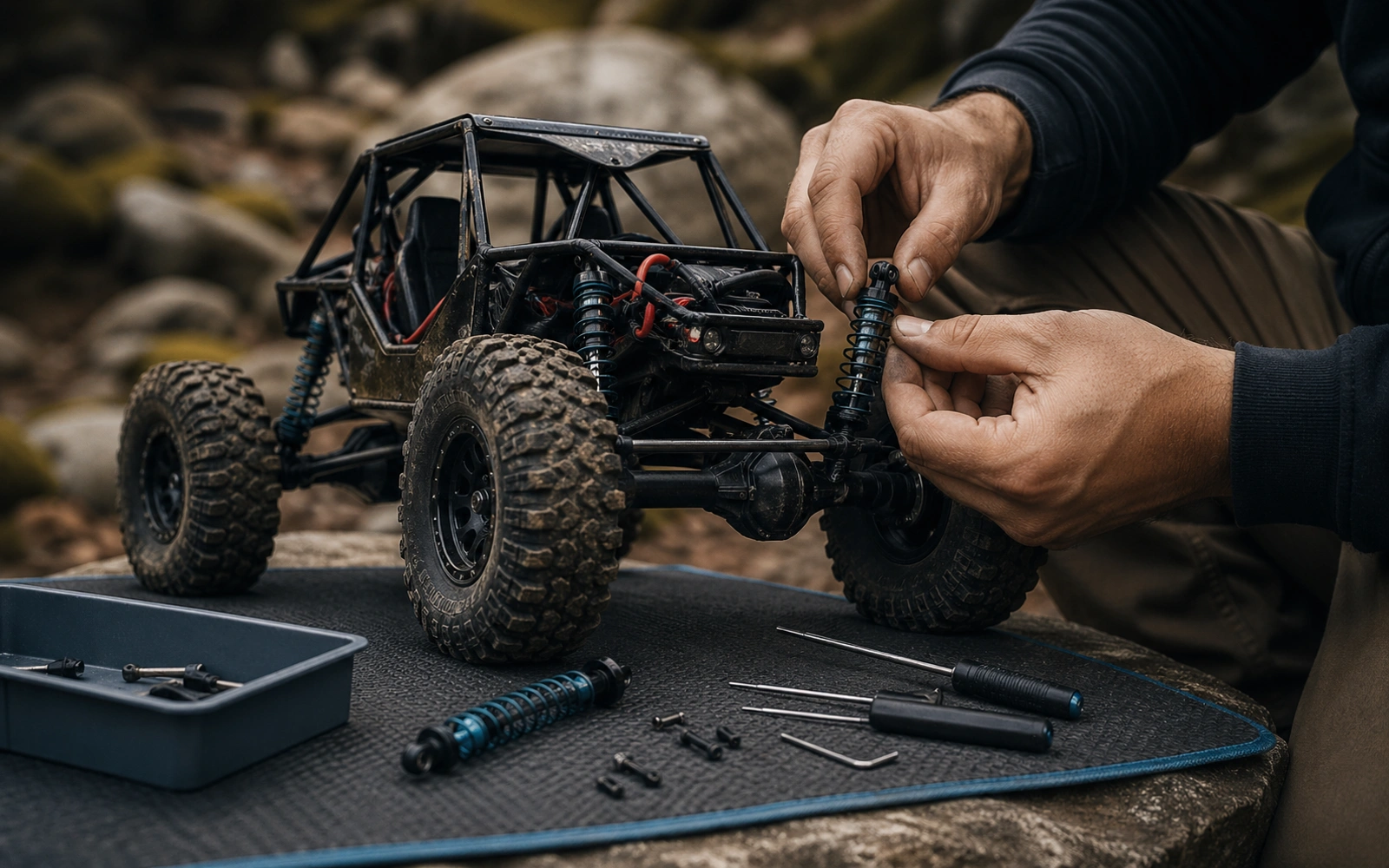
Useful spares are tied to the rig and route. Wheel nuts, body clips, driveshaft pins, servo horn screws, bearings, links, hex hardware, and tire glue or beadlock screws are more practical when they match the exact platform and hardware size.
SKU, MPN, screw size, bearing size, servo horn spline, and platform version.
Whether replacement screws, pins, bearings, spacers, or adapters are included or separate.
Seller stock labels, support notes, and source-page detail before the route or event date.
Trail fitment traps

Trail parts fail in boring ways when fitment is off. Check tire rub, battery movement, connector strain, body clearance, link interference, driveshaft angle, servo horn travel, and whether printed accessories are physical parts or files that still need printing and hardware.
Seller checks before the route

Before ordering trail-critical parts, compare seller count, source-page title, SKU or MPN, stock state, price spread, included hardware, and support notes. Final purchase facts should be verified on the seller/source page because stock, variants, and terms can change.
Research next
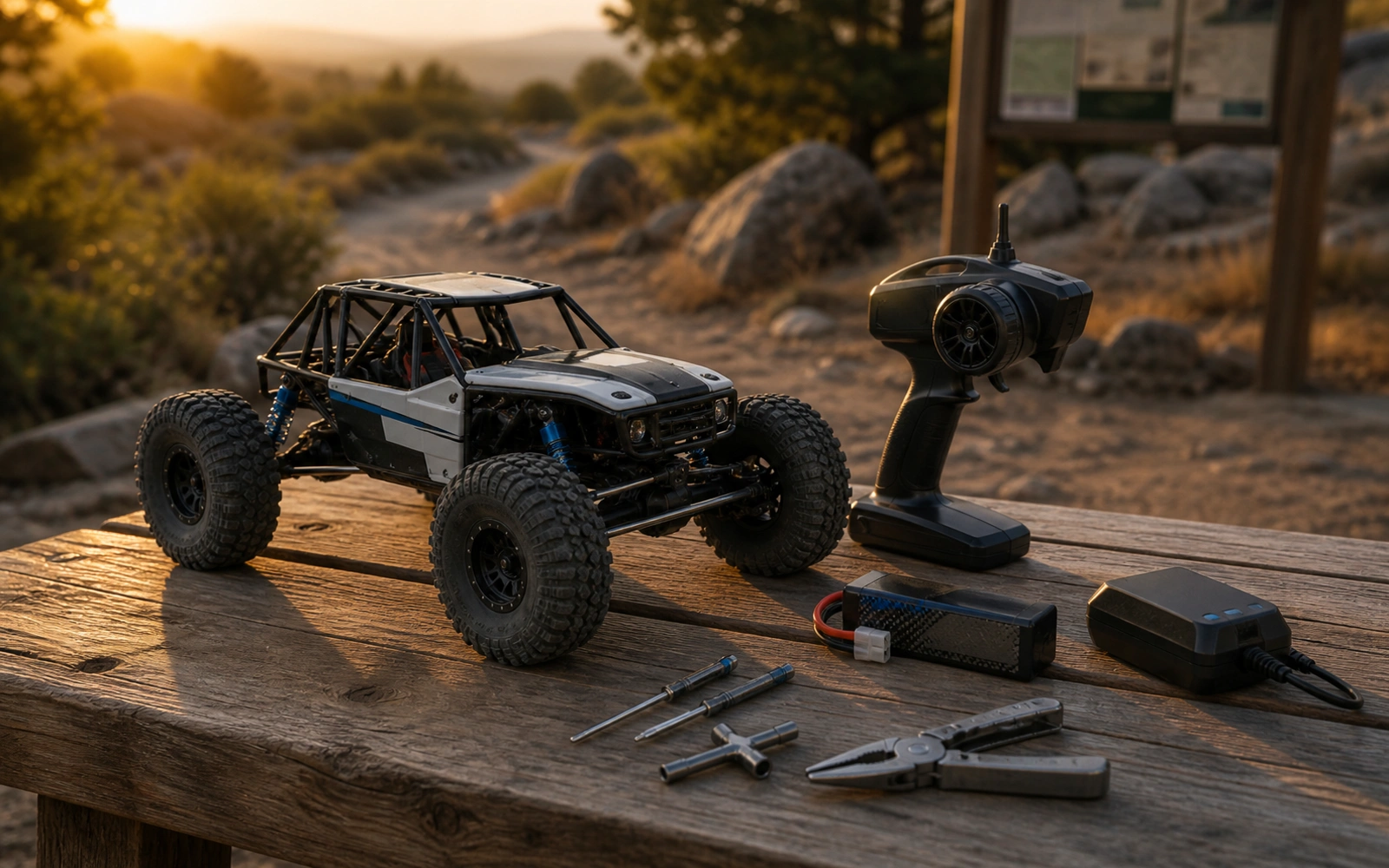
Use these paths when the trail problem is clear. They help compare reliability evidence, fitment notes, seller/source quality, stock labels, and price range.