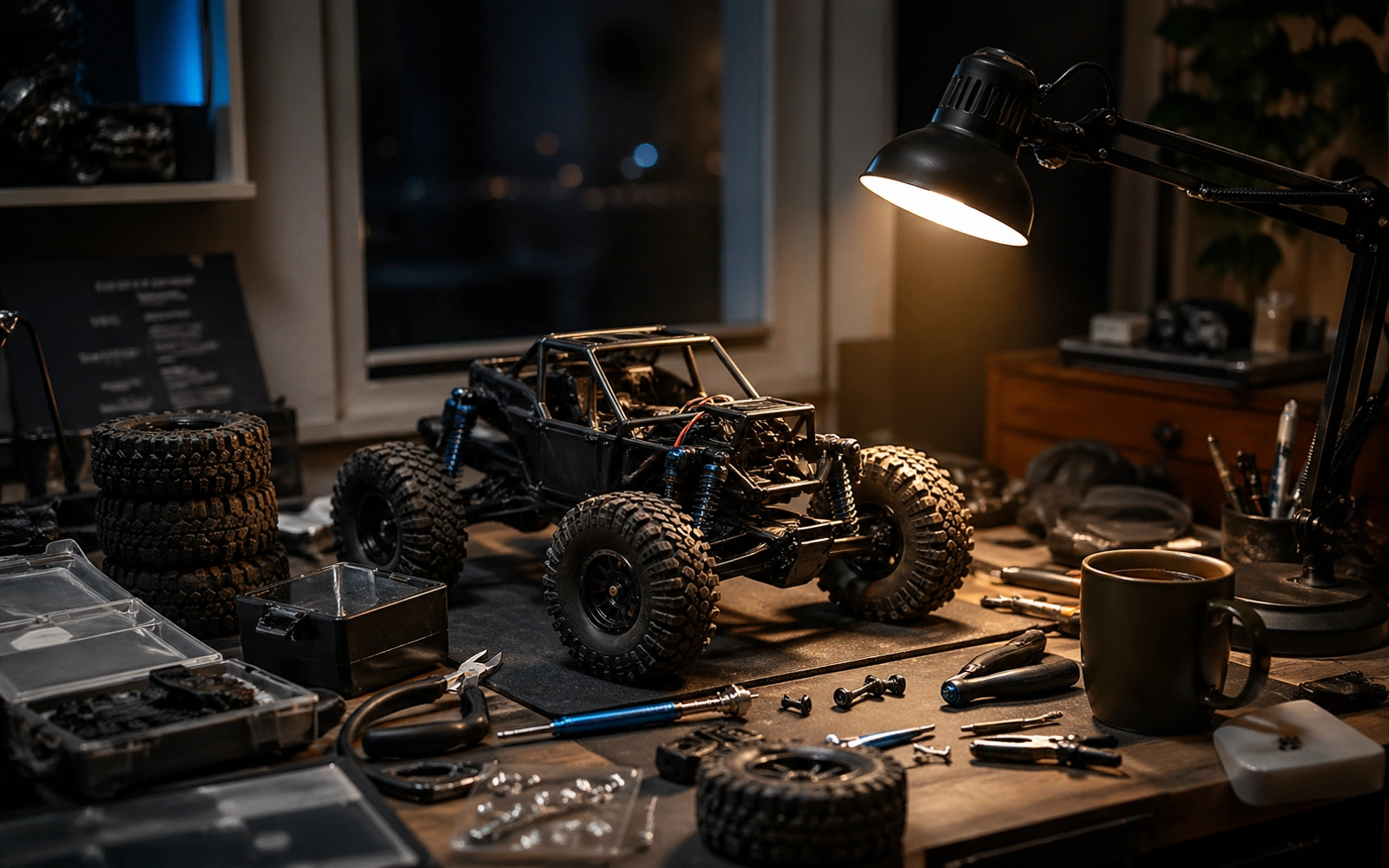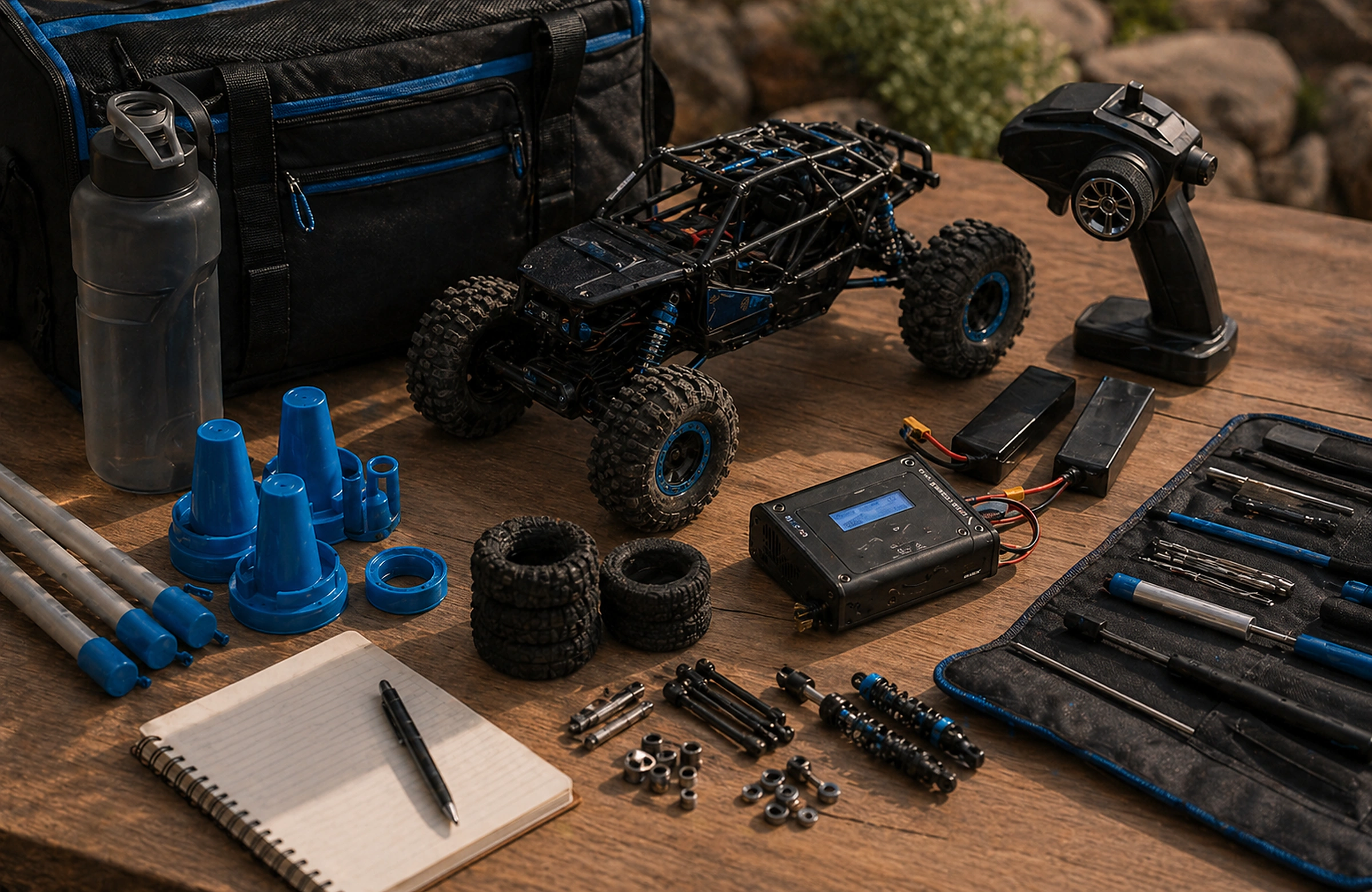
Start with the event source
Read the organizer post, venue notes, class list, rule source, start time, tech expectations, weather plan, and parking details before buying event-day fixes. If a rule or class detail affects tires, body, wheelbase, electronics, or recovery, verify it with the current event source.

Rules and fitment check
Translate rules into parts questions before ordering. Tire size, body trim, wheelbase, chassis type, dig, portals, battery placement, scale details, and hardbody language can affect class placement. Crawlers Bot can help you find research paths, but event legality belongs with the current organizer source.
Class, tire limit, body rule, wheelbase, drivetrain limits, and tech notes.
Platform version, body, tires, electronics, printed parts, and existing modifications.
Organizer source before buying class-defining tires, chassis parts, bodies, or electronics.
Pack spares by likely failure
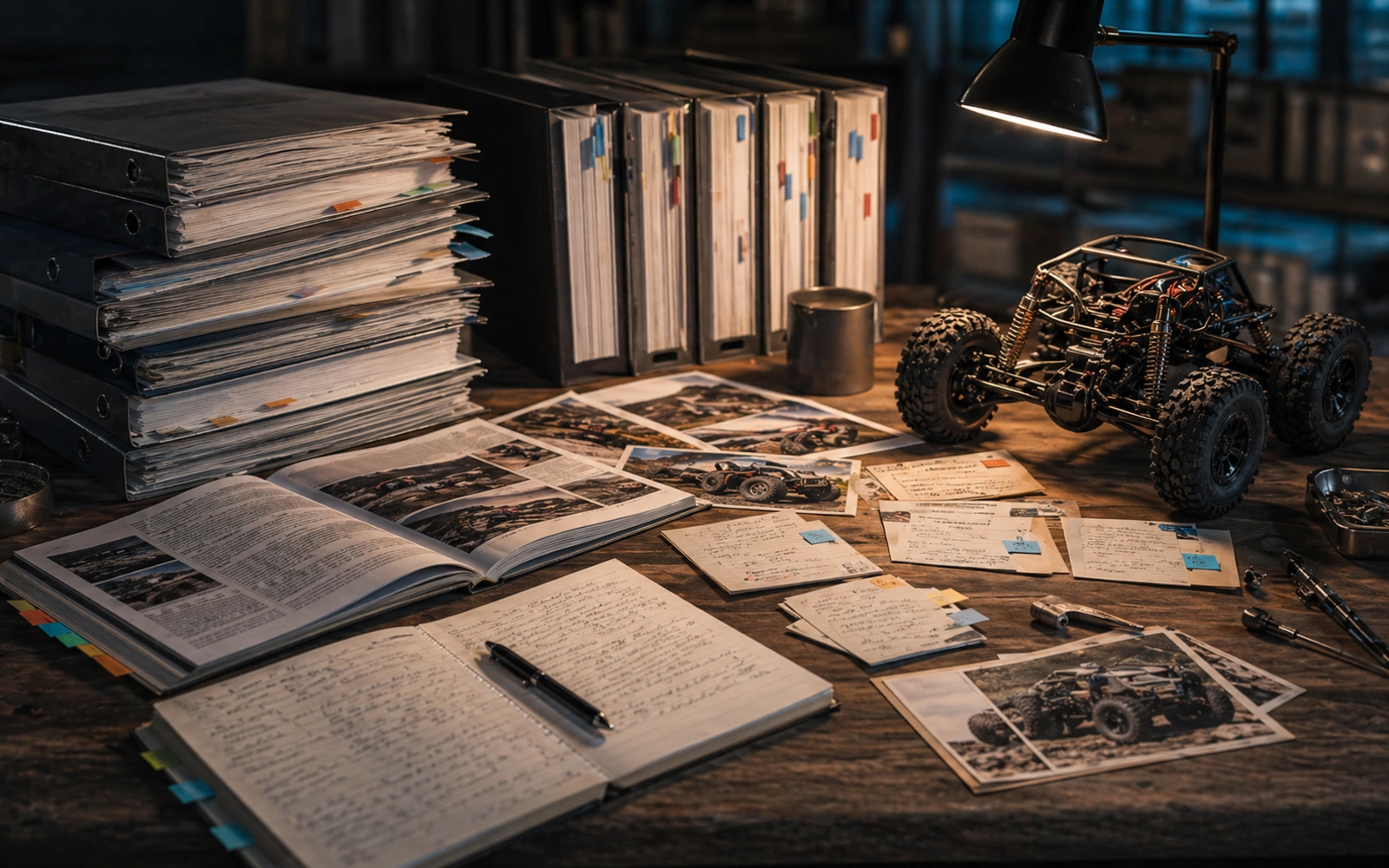
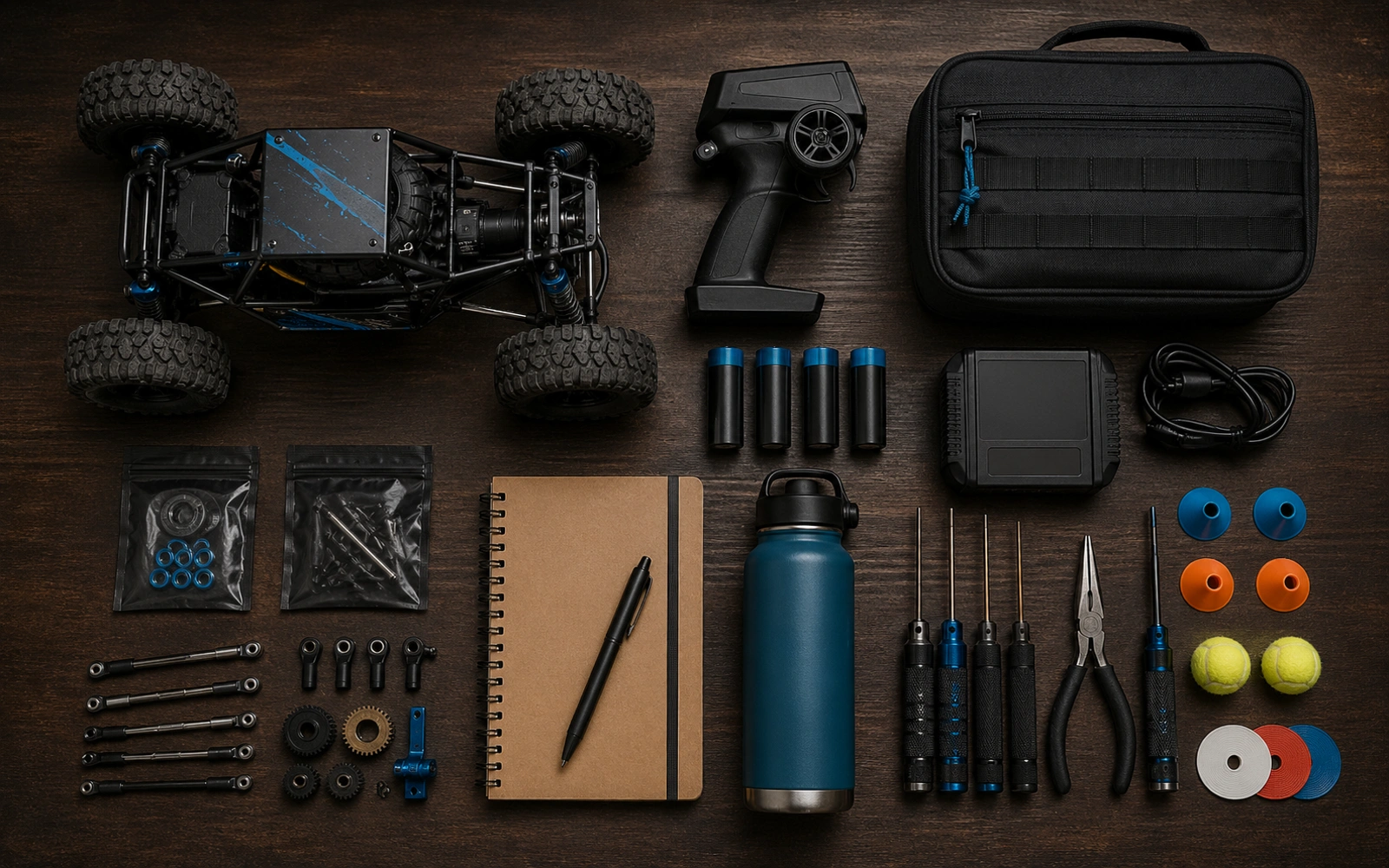
Do not overbuy a full pit room for one event. Pack the small parts tied to your platform and the failures you have seen: wheel nuts, body clips, servo horn screw, link hardware, driveshaft pins, batteries, tire tools, and the drivers that fit your screws.
Platform, SKU, MPN, screw size, bearing size, servo horn spline, and connector type.
Whether screws, pins, spacers, bearings, horns, or adapters are in the source listing.
Stock labels, seller count, source pages, and support notes before event-week pressure.
Power, tools, and pack plan
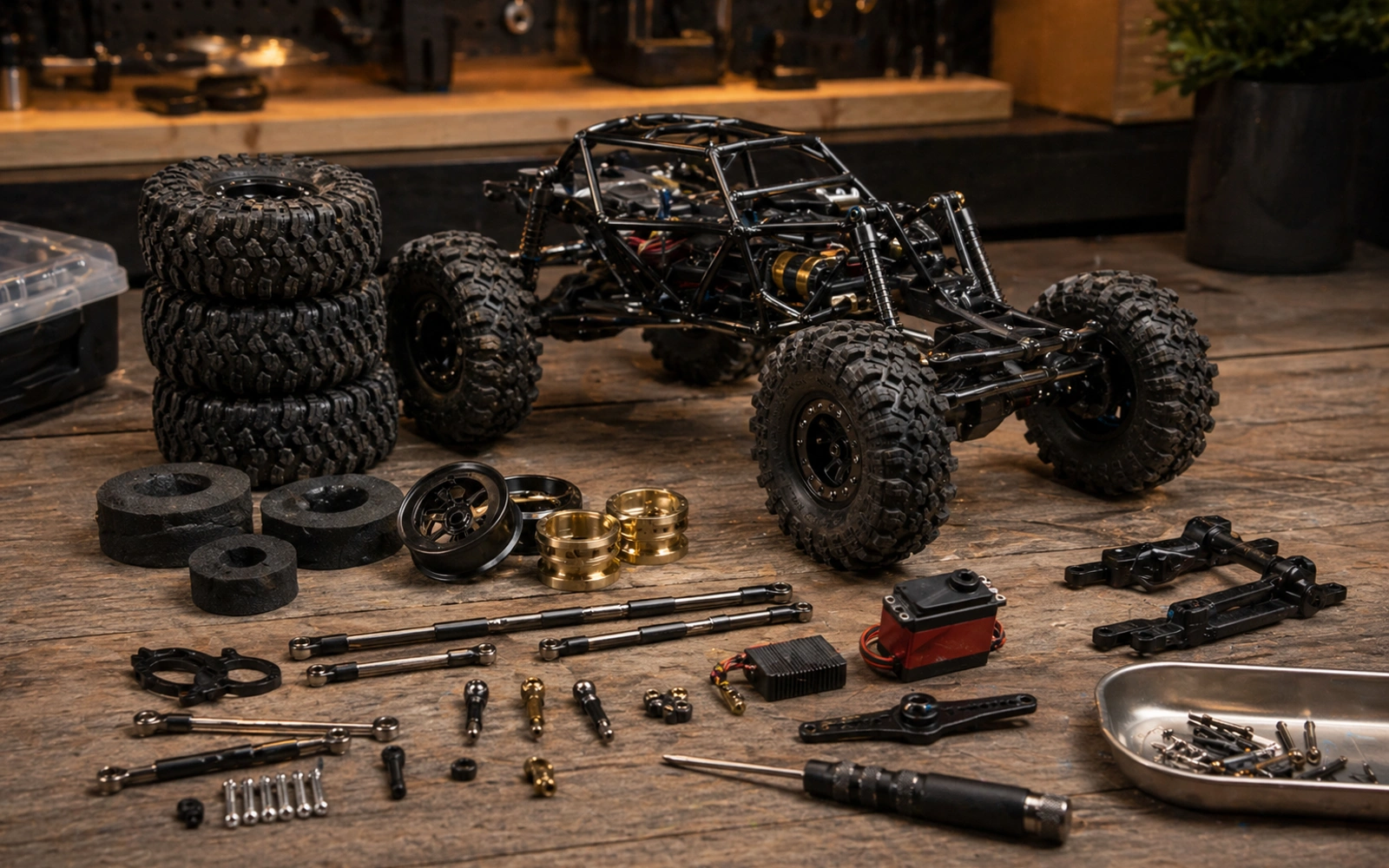
Event prep should include batteries, charger plan, transmitter batteries, connector checks, wire strain, servo function, steering endpoints, and wheel-nut inspection. If electronics or battery parts are on the shopping list, compare voltage, connector, capacity, ESC/BEC limits, seller source, and support notes.
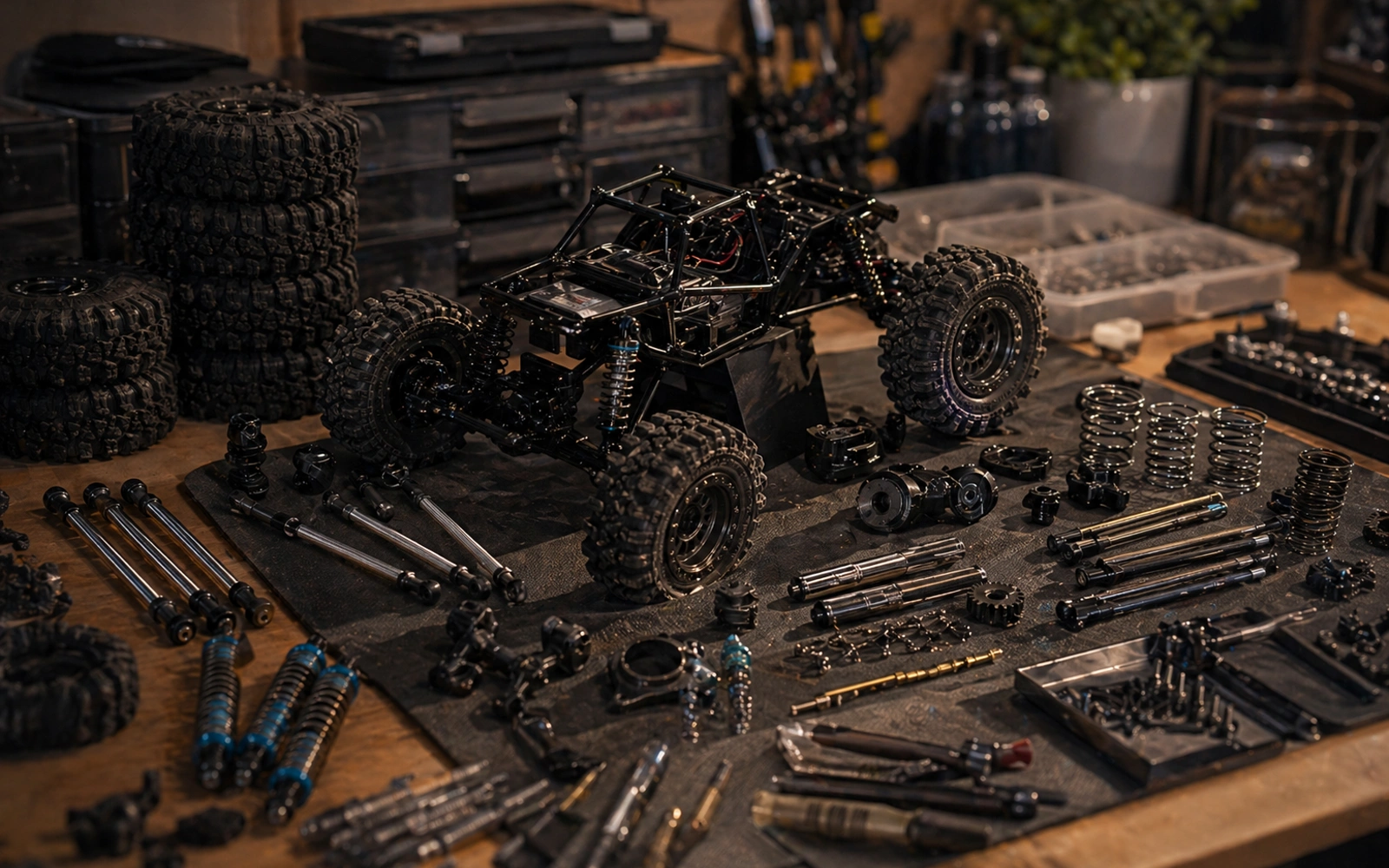
Source checks before last-minute buying
Last-minute purchases are where wrong variants sneak in. Before buying event-critical parts, compare seller count, stock state, price spread, SKU or MPN, included hardware, return/support notes, and source-page fitment details.
Use the event to guide the next research pass
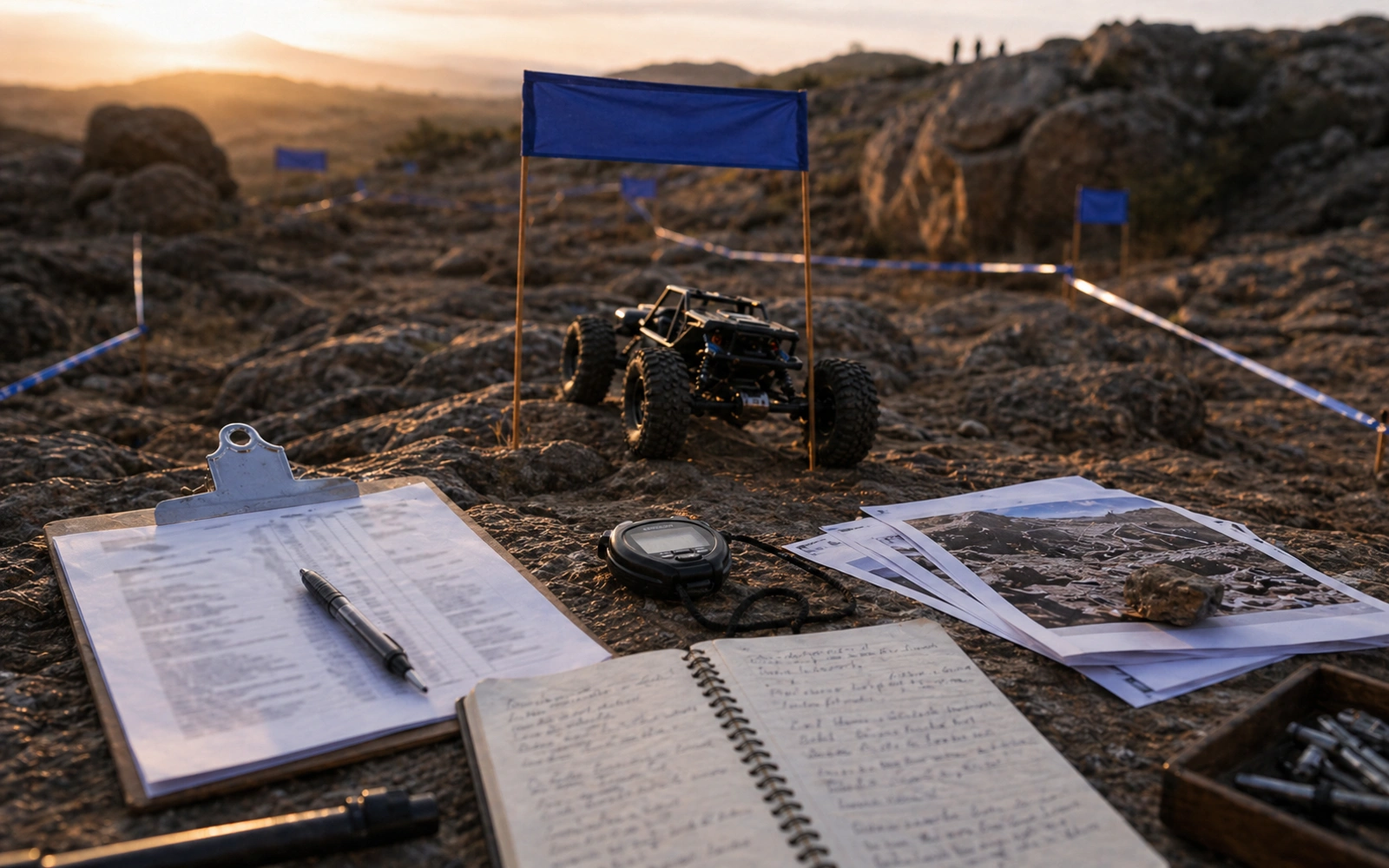
After the event, write down what actually affected the run: servo stall, tire packing, body catching, battery fade, loose hardware, unclear rule, or driver error. That list is stronger than a generic upgrade list because it points to a concrete category, platform check, or source question.
The symptom, part area, platform detail, source clue, and whether the issue repeated.
One category at a time before comparing sellers, stock labels, price spread, or variants.
Practice problems, rules confusion, fitment misses, and true part failures before buying.
Research next
Use these paths when a rule, spare, fitment, or failure note points to a real shopping question. Compare source evidence and current seller details before event-week orders.