
Platform fitment snapshot
SCX24, TRX-4M, Redcat Ascent 18, and similar micro rigs attract a lot of parts, but the platform name is only the first filter. Version suffix, wheelbase, axle width, body shell, transmission layout, motor tray, battery tray, and previous modifications still decide what fits.

Compatibility traps at micro scale
Small rigs leave less room for assumptions. A part can look right in a title and still collide with the body, bind the steering, overload the stock electronics, or need hardware the listing does not include.
- Wheelbase: match links, driveshaft length, body mount position, and intended body.
- Axle width: check tire rub, steering angle, body line, and whether wideners or different wheels are already installed.
- Body clearance: measure tire outside diameter, bumper position, sliders, interior, and battery location.
- Wheel offset: compare hex size, beadlock width, offset, and foam volume before buying wheels.
- Servo format: verify case size, spline count, horn clearance, mount pattern, voltage, and endpoint travel.
- Motor and ESC tray: check tray size, plug type, wire routing, heat room, and receiver position.
- Battery space: compare dimensions, connector, strap path, body interference, and weight location.
- Hardware size: confirm screw diameter, thread pitch, included spacers, bearings, and tiny-tool access.
- Version suffixes: read source-page fitment notes for body, trim, and generation-specific exclusions.
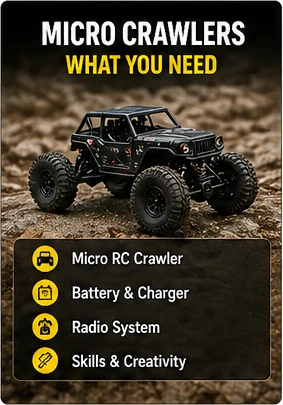
Micro upgrade ladder
Use the symptom to choose the category, then use measurements to narrow the result. Micro upgrades work better when tires, wheels, steering, weight, body, and printed parts are researched as a system.

Seller and source checks
Micro listings often use short names, compatible-style language, or photos that hide the exact version. Use seller count, stock state, price spread, SKU or MPN, and the merchant source page as evidence before treating a part as a fitment candidate.
- Search exact platform, body, wheelbase, SKU, MPN, and version suffix when available.
- Open the seller source page and compare fitment notes against your measured rig.
- Check whether hardware, bearings, spacers, servo horn, or printed accessories are included.
- Compare stock labels and price range across sellers before choosing a source.

Digital and printed micro parts
A micro STL is not a ready-to-install part. Confirm the creator or source page, license, material, print orientation, screw size, heat exposure, cleanup steps, and whether the file was designed for your exact body and platform version.

Run the micro fitment loop
Write down the platform, body, wheelbase, tire outside diameter, wheel offset, servo format, electronics layout, and battery size. Then search by exact identifiers, compare source pages, and measure again before buying.
- Start with the platform page, then confirm the version on your rig.
- Search by SKU, MPN, body name, tire size, or exact platform phrase.
- Compare source-page notes with your measured clearance and hardware.
- Use stock state and price spread as research signals, then verify the seller page.
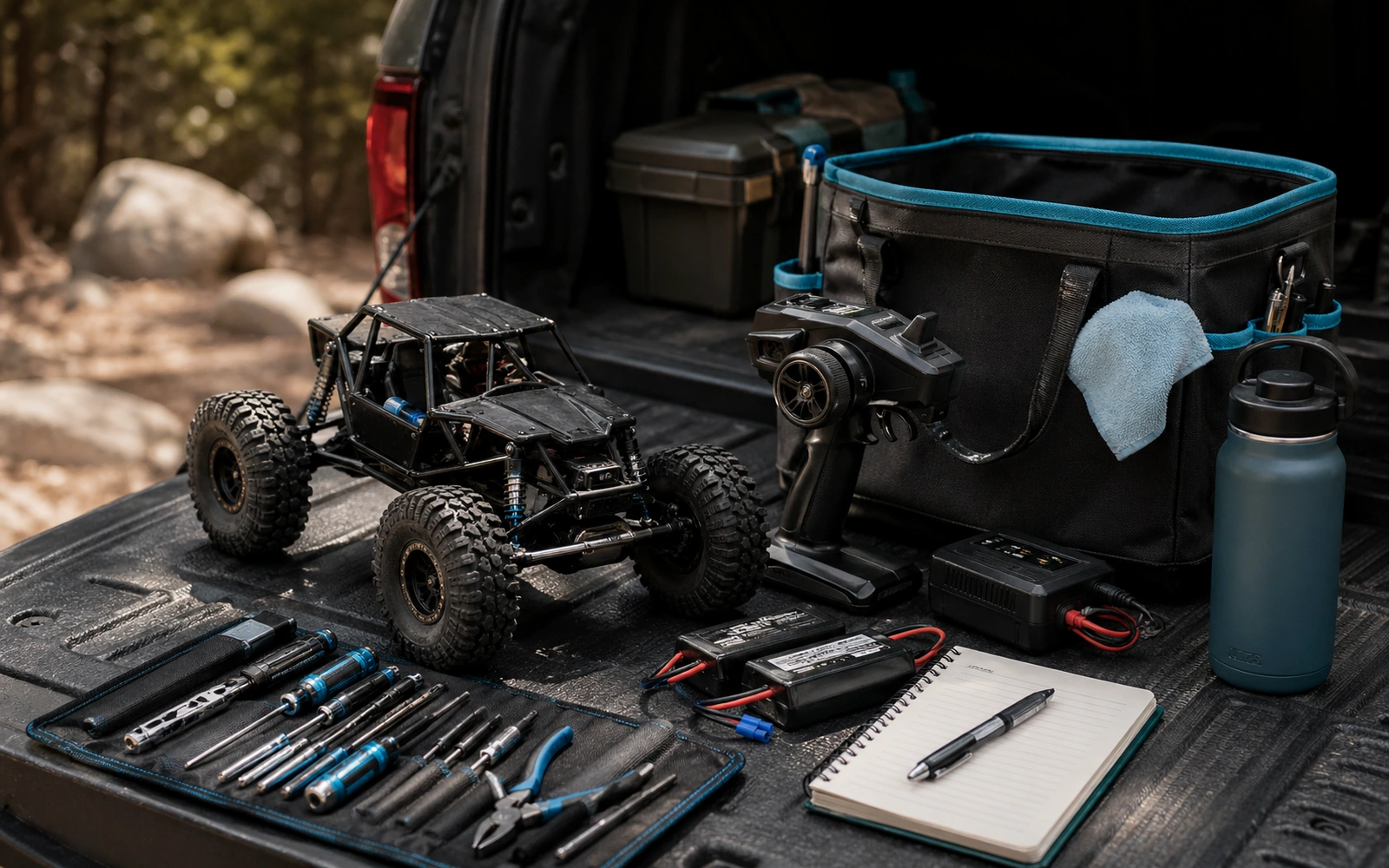
Research next
Use these marketplace paths after the rig version and measurements are clear. They are research shortcuts for fitment, source, stock, and price comparison.