What a class is for
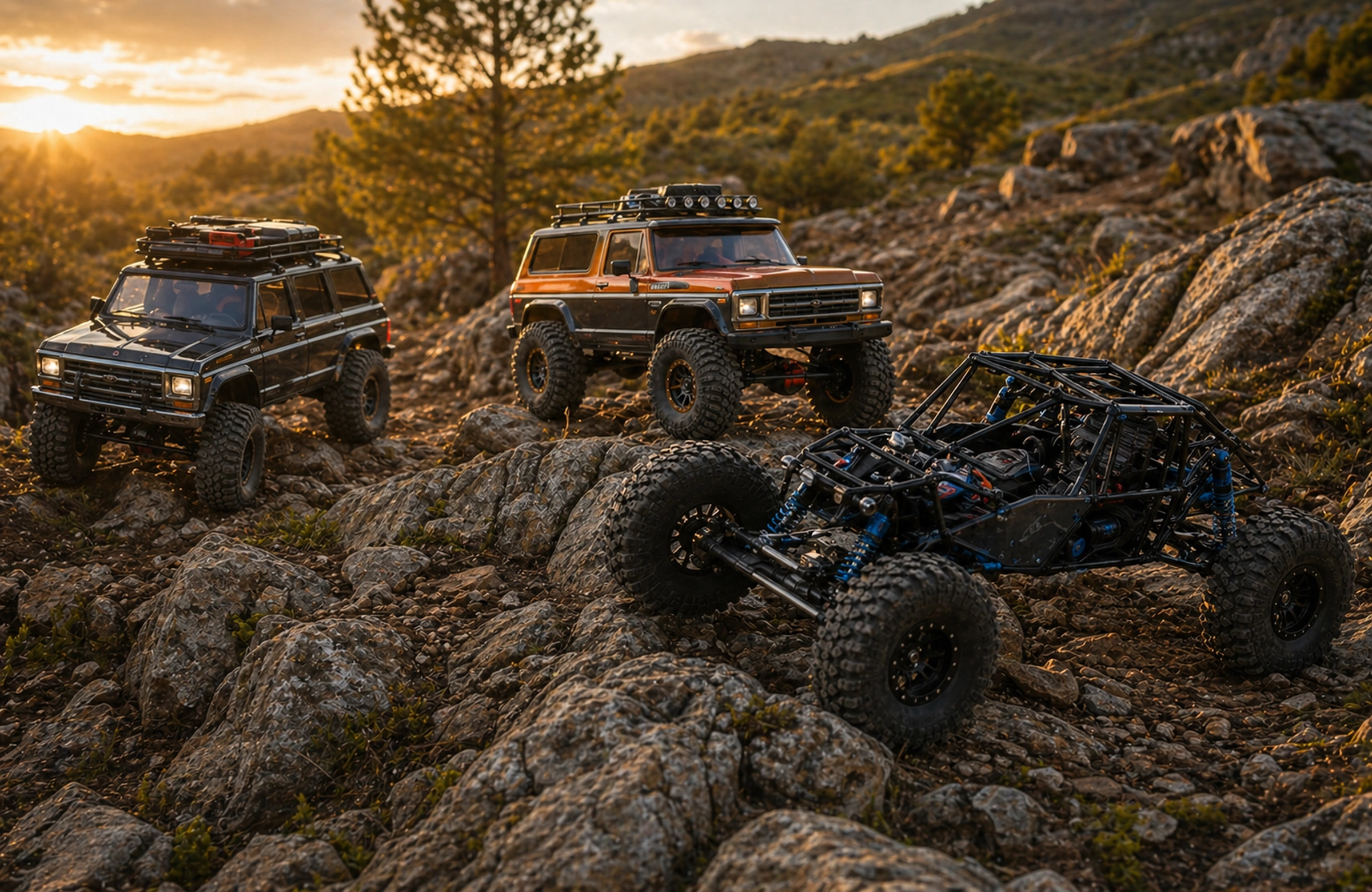
A class groups rigs that should face similar challenges. It may limit tires, wheelbase, body, steering, chassis, electronics, or scale appearance. The point is not to make every truck identical. The point is to make the course meaningful and keep one build style from overwhelming the rest.
Casual classes and event classes
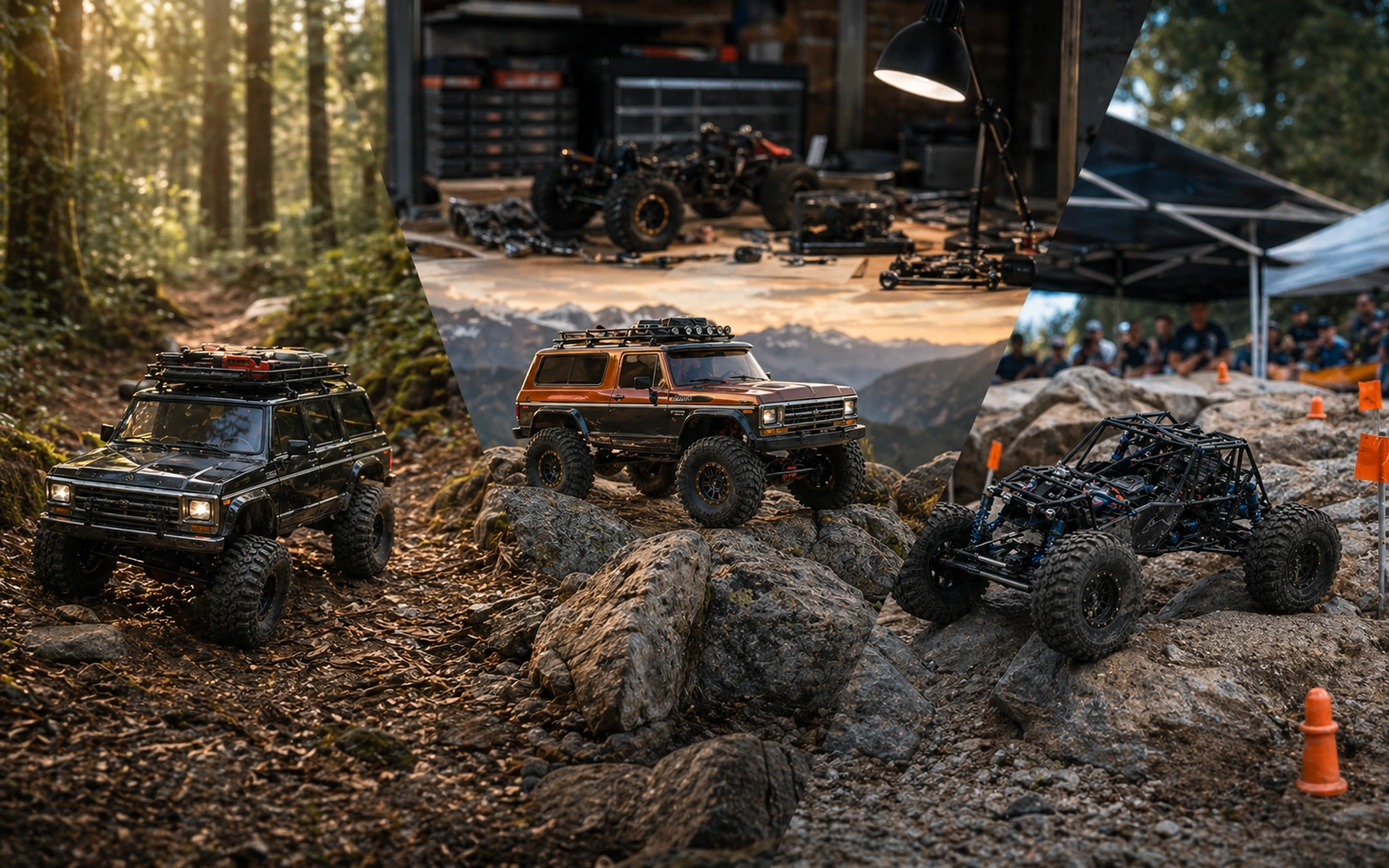
Casual trail groups may use loose labels like trail, scale, comp, or micro. Organized events usually need more precise definitions. A truck can be a trail rig in everyday conversation and still belong to a specific competition class at an event.
Scale versus performance
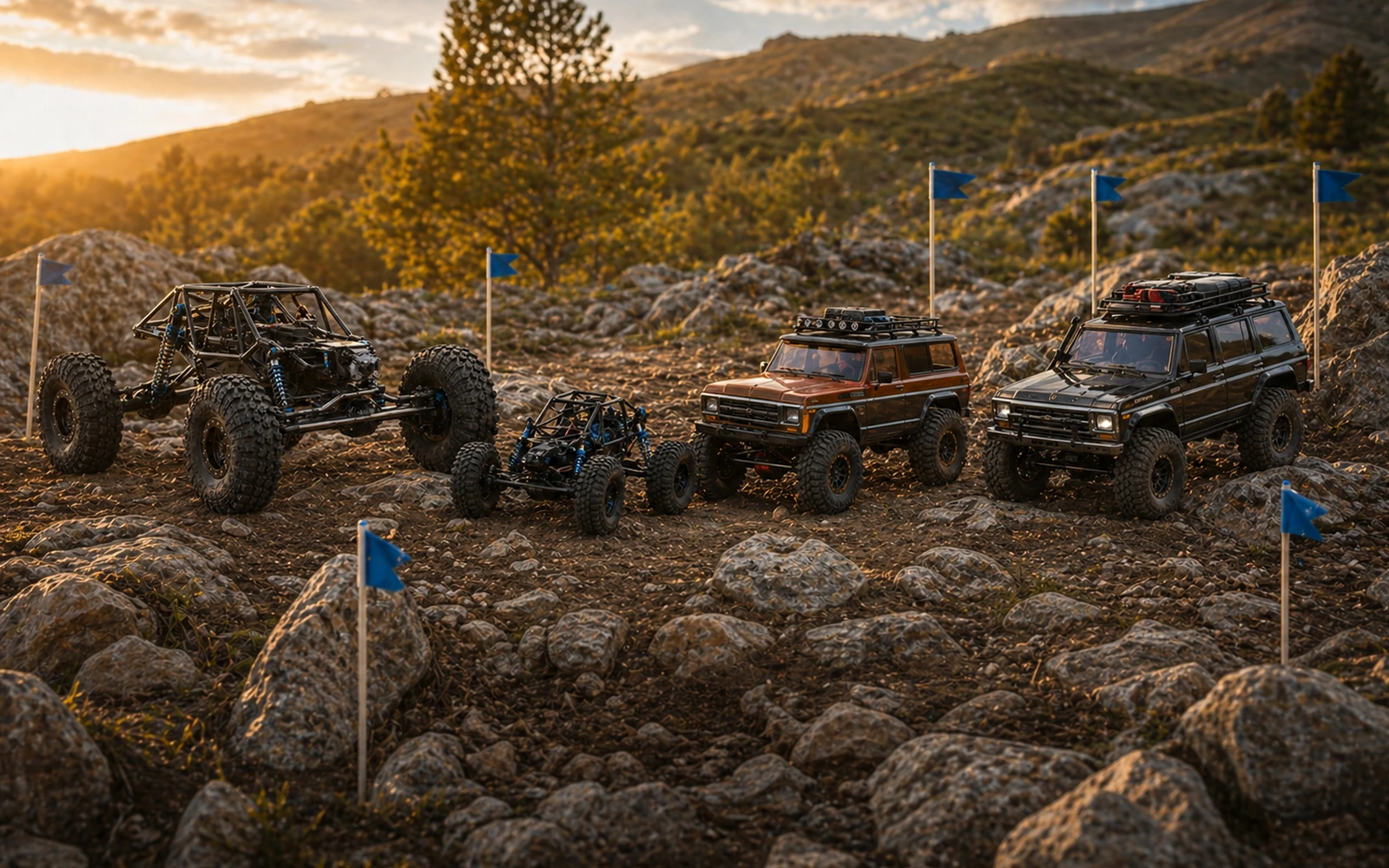
Scale classes usually care about realistic body and accessory choices. Performance classes usually care more about capability and consistent limits. Some classes blend both. A crawler can look realistic and perform well, but each rule set decides which compromises are allowed.
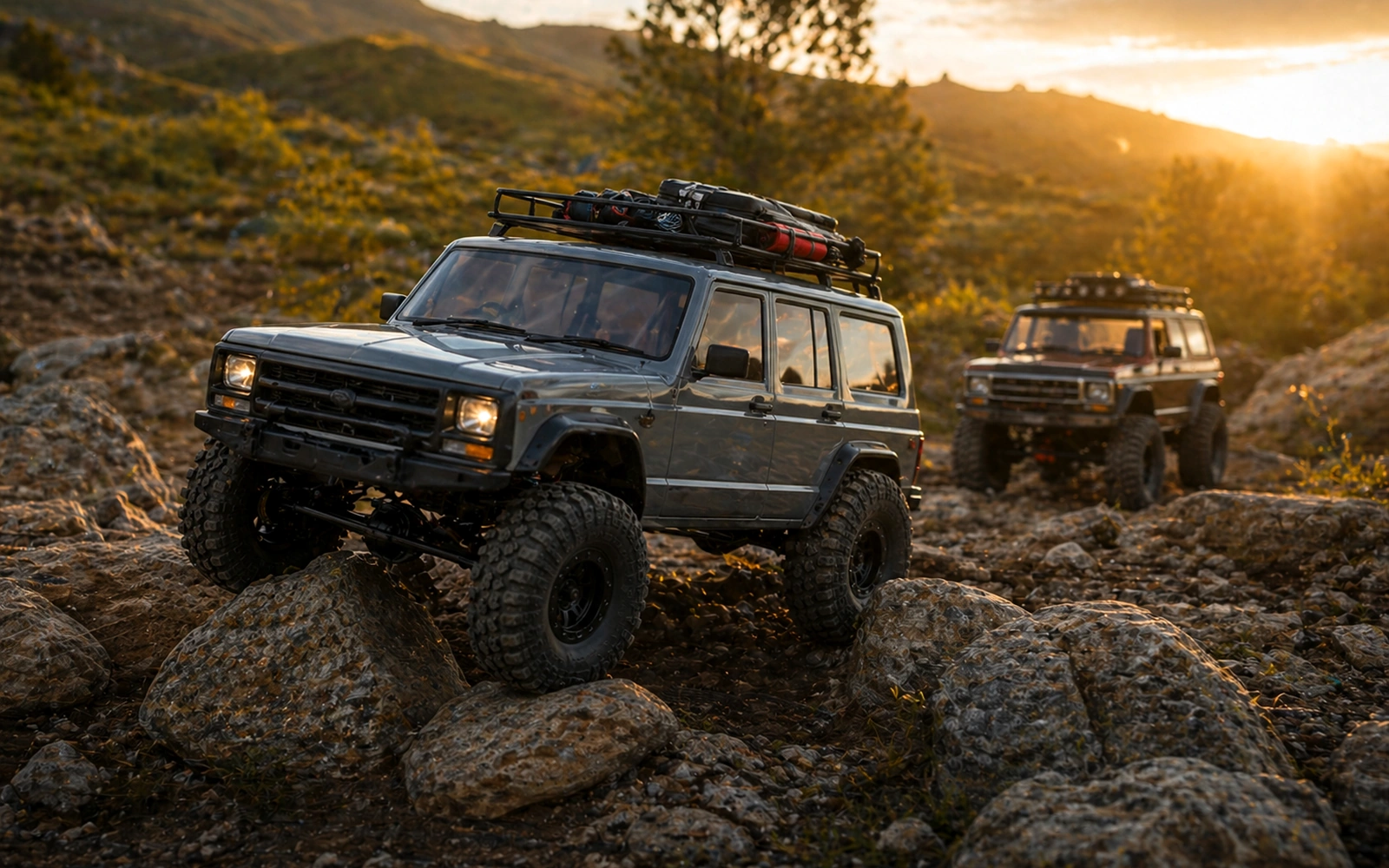
Micro and 1/10 differences
Micro rules often talk about tiny tire diameters, gate widths, chassis restrictions, and optional entry classes. Larger performance crawler rules may focus on wheel size, steering, dig, body, and axle configuration. Do not transfer one rule family onto another without reading.

How to pick a class
Pick the event first, then pick the class that has active local drivers, a clear rule source, and a build style you enjoy. If you are unsure, ask whether a mostly stock rig can run and what beginners usually bring.
How beginners should use this explainer
Read this page before reading the full rule source so the class or scoring language feels less abstract. Then read the current organizer document line by line, because small details can decide whether a rig passes tech inspection or how a judge scores a mistake. A plain-English explainer should make the official source easier to approach, not replace it.
If you are unsure, bring your rig or planned parts list to a local event, club night, or organizer contact before spending heavily. Experienced drivers can often point out the one rule or fitment detail a newcomer missed. That early conversation is usually cheaper than rebuilding the truck after registration.
- Find the current rule source before buying class-defining parts.
- Ask the organizer how local tech inspection handles edge cases.
- Treat social posts and old setup sheets as examples, not authority.
- Keep the rig adjustable until you have run the class at least once.
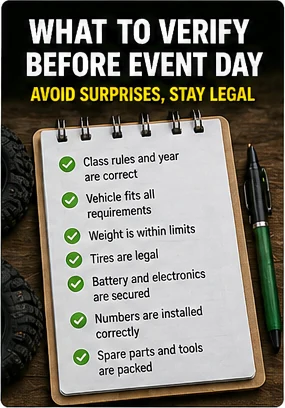
What to verify before event day
Rules pages can age quickly because clubs refine procedures, add local notes, and clarify calls after real events. Before event day, confirm the active class list, tire and body limits, scoring method, course flow, repair procedure, and whether the event uses any local amendments. If the organizer says something different from this page, follow the organizer.
Good preparation also means respecting the spirit of the class. A build that barely passes because of a loophole may not be the best first experience. New drivers usually learn faster with a reliable, legal rig that lets them focus on line choice, judging rhythm, and driver etiquette.
- Active rulebook or organizer post.
- Driver meeting notes and local amendments.
- Tech inspection expectations.
- Scoring procedure and time limits.